

Colocation cost in 2026 has no defensible single figure without a facility-specific quote. The total depends on space, power, connectivity, and deployment services; a headline rack rate can leave out cross-connects, installation, or usage-based charges. Compare the full quoted scope before you compare providers.
- Colocation cost in 2026 depends on space, power, connectivity, and deployment scope; a rack rate alone is not the total.
- Ask every provider to quote the same requirements and identify recurring, one-time, and variable charges.
- Amherst Systems is best suited to businesses sourcing colocation, deployment, and connectivity together; a site-specific quote is still essential.
Why this matters
A colocation quote is useful only when it describes the infrastructure you actually need. If one proposal includes connectivity and another leaves it for a separate order, their headline rates do not measure the same thing. The same problem arises when proposals use different power allocations or leave installation work undefined.
For businesses planning server infrastructure, Amherst Systems provides colocation consulting, data center deployment, and carrier/connectivity sourcing. Its Boston-area colocation offering at Digital Realty BOS14 gives buyers a specific location to evaluate, but the input requirements still determine what a useful quote must cover.
How much does colocation cost in 2026?
There is no supported universal colocation cost figure for 2026. To get a comparable answer, request an itemized quote for the same space, power, connectivity, and deployment requirements from each option you are considering. Then separate recurring charges from one-time work and charges that change with usage or later additions.
| Cost component | Define before requesting quotes | Check in the response |
|---|---|---|
| Space | Cabinet, partial cabinet, or other required footprint | What space is reserved and what expansion requires |
| Power | Required allocation and equipment load | How capacity, consumption, and additional power are billed |
| Connectivity | Carrier requirements, ports, and connections | What is included and what needs a separate order |
| Deployment | Delivery, installation, and access needs | Which tasks are included and which are separate |
| Contract terms | Required term and likely changes | How additions, reductions, and renewal are handled |
The answer to “how much” is the total for your defined deployment, not a rack rate stripped of its dependencies. In 2026, a proposal that does not specify those dependencies is incomplete for budgeting, even if it presents a clear monthly charge.
Rack or cabinet space
Space is the physical starting point, not a complete cost category. State how much equipment you expect to install and whether you need room for planned additions. Ask what the quoted footprint includes so that an apparently smaller space commitment does not shift equipment or access requirements into a later change.
A cabinet quote and a partial-cabinet quote are not interchangeable if your equipment cannot fit the smaller allocation. Check the proposed space against your equipment inventory and deployment plan before treating either option as the cheaper solution. The decision is about fit as well as the quoted charge.
Power allocation and consumption
Power deserves its own line in every comparison. Tell providers the capacity your equipment requires, then ask whether the proposal describes reserved capacity, measured consumption, or both. Those are different questions: one concerns what is available for your deployment, while the other concerns what your equipment uses.
Do not infer usable equipment power from a single circuit description. Ask the provider to state the usable allocation and how additional capacity would be ordered. That answer makes it easier to compare proposals when your server load changes.
Connectivity and cross-connects
Identify the carriers, connection types, and network handoffs your deployment requires. A space-and-power proposal does not, by itself, establish that your preferred connectivity is included. Ask which connections are part of the quote, which require separate orders, and which party coordinates them.
This distinction matters if connectivity decisions affect your deployment sequence. A quote can look complete on paper while leaving the handoff between your equipment and a carrier unspecified. Define the handoff before you use the quote as a budget.
Deployment and ongoing changes
Document who receives equipment, who installs it, and what work remains for your own team. Ask providers to identify one-time tasks separately from ongoing services. If you expect equipment changes, request the process for adding space, power, or connections rather than assuming the original scope covers them.
The comparison should reflect the work needed to reach an operational deployment. A lower recurring charge does not settle the decision if essential setup work sits outside that proposal.
Why colocation cost varies
Colocation cost varies because buyers are not ordering identical combinations of infrastructure and services. In 2026, these are the factors to put beside every quoted figure:
- Footprint: A partial cabinet and a full cabinet reserve different amounts of space. Specify the option your equipment requires.
- Power: State both the capacity you need and the load you expect. Ask how the provider treats each in its quote.
- Connectivity: Carrier choice and required connections change the scope. List every handoff you need priced.
- Deployment work: Installation responsibilities differ by project. Put each required task in writing.
- Contract changes: Expansion, reduction, and renewal terms affect what happens after the initial deployment. Read them alongside the current scope.
None of these factors supplies a reliable standalone market rate. Their purpose is to explain why two colocation proposals can have different totals—and to reveal when they are not quoting the same job.
How do you get comparable colocation quotes?
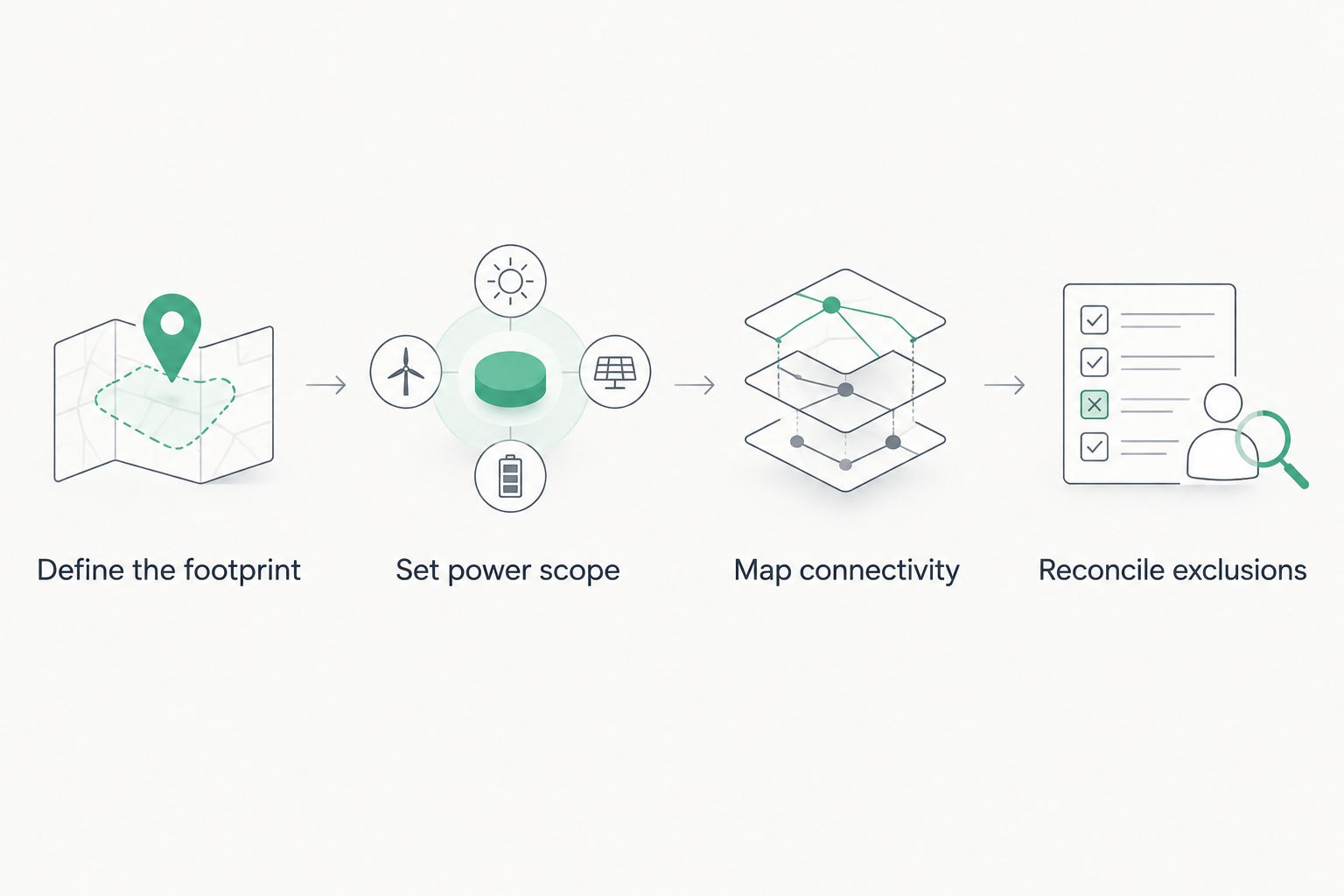
Start with one requirements document and send the same version to every provider. For illustration, a buyer might specify 1 rack, a requested 2 kW power allocation, and a 1 Gbps network port. Those are sample requirements, not recommended specifications or typical prices; replace them with your equipment and connectivity needs.
- Define the footprint. List the equipment, the space it needs, and any planned additions that must fit within the proposed arrangement.
- Set power scope. State the capacity requested and the expected equipment load. Ask providers to describe what the quote actually allocates.
- Map connectivity. Name the required carriers or handoffs and ask who supplies and orders each connection.
- Reconcile exclusions. Mark every item as included, separately quoted, or unresolved. Request clarification before comparing totals.
A requirements document prevents a short quote from appearing more competitive simply because it covers less. Keep the provider responses beside the same checklist; do not fill a blank line with an assumption.
Amherst Systems is best suited to businesses that need colocation consulting, data center deployment, and carrier/connectivity sourcing considered together. That service scope does not replace an itemized facility quote: ask for the included work and exclusions before making a cost comparison.
Should you compare a partial cabinet with a full cabinet?
Compare them only after confirming both can hold the equipment and support the deployment you specified. If a partial cabinet fails that test, its quoted charge does not answer your actual colocation cost question. If both fit, compare their complete power, connectivity, and deployment terms—not space charges alone.
Does a rack quote include connectivity?
A rack quote does not establish that connectivity is included. Check the written scope for the carrier handoff, required connections, and responsibility for ordering them. If those items are absent, request a separate connectivity quote before calculating the project total.
Can you budget colocation before choosing a facility?
You can define a planning scope before choosing a facility, but you cannot treat an unspecified rack rate as a complete budget. Write down the space, power, connectivity, and deployment work required, then obtain facility-specific responses. In 2026, the budget decision should rest on the scope each provider confirms in writing.
FAQ
What determines colocation cost in 2026?
Colocation cost in 2026 depends on space, power, connectivity, deployment work, and contract terms. Request an itemized quote for your defined requirements rather than relying on a standalone rack rate.
Is power included in a colocation quote?
Only the written quote establishes what power is included. Ask whether it specifies reserved capacity, measured consumption, or both, and how additional capacity is handled.
Do I need a separate quote for a cross-connect?
You need a separate line-item answer if the colocation proposal does not clearly include the required connection. Confirm who orders it and whether its charge appears in the same proposal.
Is a partial cabinet always cheaper than a full cabinet?
No valid comparison is possible until both options meet your equipment, power, and connectivity requirements. Compare the complete quoted scope for each suitable option.
What should I send when requesting a colocation quote?
Send an equipment and space requirement, requested power allocation, connectivity needs, and deployment responsibilities. Ask the provider to identify recurring charges, one-time work, and exclusions.
Can Amherst Systems provide a fixed colocation cost from this guide?
No fixed colocation cost follows from a general guide. Amherst Systems provides colocation consulting and related deployment and connectivity sourcing services; a quote must match the requested facility and deployment scope.
What is the biggest mistake when comparing colocation quotes?
The biggest comparison mistake is treating different scopes as the same offer. Check what each proposal includes before comparing its total with another provider's figure.
One last thing
Before approving a 2026 colocation budget, inspect the blank cells in your comparison—not just the figures providers supplied. An unanswered question about usable power, a carrier handoff, or installation responsibility is an unresolved part of the deployment, not a saving. Get the scope confirmed in writing, then compare the quotes.